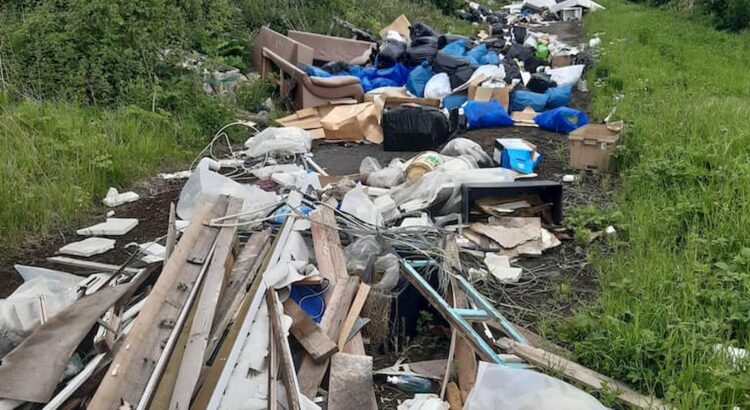
Fly-tipping remains a growing issue across UK towns, including Maidenhead, harming the environment, endangering public health, and increasing council clean-up costs. Effective prevention and proper disposal strategies are essential to tackling the problem before it escalates. In this article, we explore eight proven methods to manage illegal dumping and ensure responsible waste practices. Whether you are a homeowner, business, or community group, these strategies for fly tip waste removal Maidenhead will help keep your area clean and safe.
Introduction: The Fly-Tipping Challenge in Modern Communities
Fly-tipping — the illegal dumping of rubbish, furniture, building materials, or hazardous substances — has become a pressing issue for many UK towns, including Maidenhead. It is not just an eyesore; it poses serious threats to the environment, public safety, and local wildlife. In some cases, it even leads to higher council taxes due to increased clean-up costs.
Authorities and residents alike are searching for reliable solutions to reduce and prevent this problem. Effective fly tip waste removal Maidenhead strategies involve a combination of education, enforcement, community action, and responsible disposal methods. Below, we explore eight practical ways to tackle fly-tipping and protect the environment.
1. Raise Awareness and Educate the Public
The first step in solving any community issue is education. Many people are unaware of the legal consequences or environmental damage caused by illegal dumping. Awareness campaigns help residents understand the risks and encourage responsible disposal.
- Organise local workshops and school talks on proper waste management.
- Distribute flyers and use social media to share information about legal disposal options.
- Highlight penalties for offenders to discourage illegal dumping.
When people understand the long-term effects of fly-tipping — from soil contamination to water pollution — they are more likely to follow the law.
2. Use Licensed Waste Disposal Services
One of the most effective ways to prevent illegal dumping is to use authorised waste disposal companies. Professionals have the equipment, permits, and processes to handle various types of waste safely and legally.
When hiring a company for fly tip waste removal Maidenhead, always check for:
- A valid waste carrier licence issued by the Environment Agency.
- Proper documentation detailing how and where the waste will be disposed of.
- References or reviews to ensure reliable service.
Using licensed providers not only ensures compliance with the law but also reduces the risk of fly-tipped materials reappearing elsewhere.
3. Report Fly-Tipping Immediately
Quick reporting plays a crucial role in controlling illegal dumping. If you spot a pile of dumped waste, do not attempt to remove it yourself. Instead, report it to the local council or relevant environmental authorities. Many councils, including those in Maidenhead, have dedicated reporting systems online or via mobile apps.
Prompt reporting ensures:
- Faster clean-up, reducing health and safety risks.
- Increased chances of identifying and prosecuting offenders.
- Improved data collection for future prevention strategies.
Community vigilance is one of the most powerful tools in the fight against fly-tipping.
4. Secure Your Property and Waste Storage Areas
Many incidents of fly-tipping occur on private land, costing property owners significant amounts for removal. Securing your property is an essential preventative measure.
- Install gates or fences to limit unauthorised access.
- Lock bins and waste storage units to prevent misuse.
- Add signage warning that fly-tipping is illegal and that it is monitored.
Even simple measures like motion-sensor lights or cameras can deter offenders who prefer secluded or poorly lit areas.
5. Install CCTV and Surveillance Systems
Surveillance is a powerful deterrent against illegal dumping. High-quality CCTV cameras in known hotspots can significantly reduce incidents. Visible signage indicating that the area is under surveillance is often enough to make potential offenders think twice.
Authorities and local councils can also collaborate with businesses and residents to install shared monitoring systems. In some cases, footage has helped track down offenders, leading to successful prosecutions and reduced repeat offences.
6. Organise Community Clean-Up Events
Community-led initiatives can have a big impact on reducing fly-tipping. Regular clean-up events not only remove existing waste but also build a culture of responsibility and pride among residents.
- Schedule monthly or quarterly clean-ups in known dumping sites.
- Involve schools, businesses, and local organisations.
- Use these events as opportunities to educate participants on waste management.
When communities come together, they create a visible presence that discourages illegal dumping and demonstrates collective care for the local environment.
7. Provide Convenient and Affordable Disposal Options
One reason people resort to fly-tipping is the perceived inconvenience or cost of legal disposal. Councils and businesses can help by making waste disposal more accessible and affordable.
- Increase the number of public recycling centres and extend opening hours.
- Offer free or low-cost bulky waste collection services.
- Arrange seasonal collection drives for specific types of waste like garden clippings or old furniture.
Making legal disposal easier reduces the temptation to dump waste illegally.
8. Support Stronger Enforcement and Penalties
While education and prevention are crucial, enforcement remains a powerful deterrent. Stricter penalties and more visible prosecutions send a clear message that fly-tipping will not be tolerated.
- Support local authorities by reporting suspicious activity.
- Advocate for higher fines and community service penalties for offenders.
- Encourage public sharing of successful prosecutions to increase awareness.
When offenders face real consequences, it discourages others from committing the same offences.
Final Thoughts: A Collective Effort for a Cleaner Maidenhead
Managing fly-tipping is not the responsibility of one group alone — it requires cooperation from residents, businesses, local councils, and law enforcement. From education and community engagement to surveillance and enforcement, every measure contributes to a cleaner, safer environment.
By adopting these eight proven strategies, we can significantly reduce illegal dumping and protect our surroundings. Sustainable waste management is not just about removing rubbish; it’s about fostering a sense of shared responsibility and respect for the community we live in.
Together, we can make Maidenhead a cleaner, greener, and more welcoming place for everyone.